
EA Group weighs in on the future of Erasmus+ and digital safety
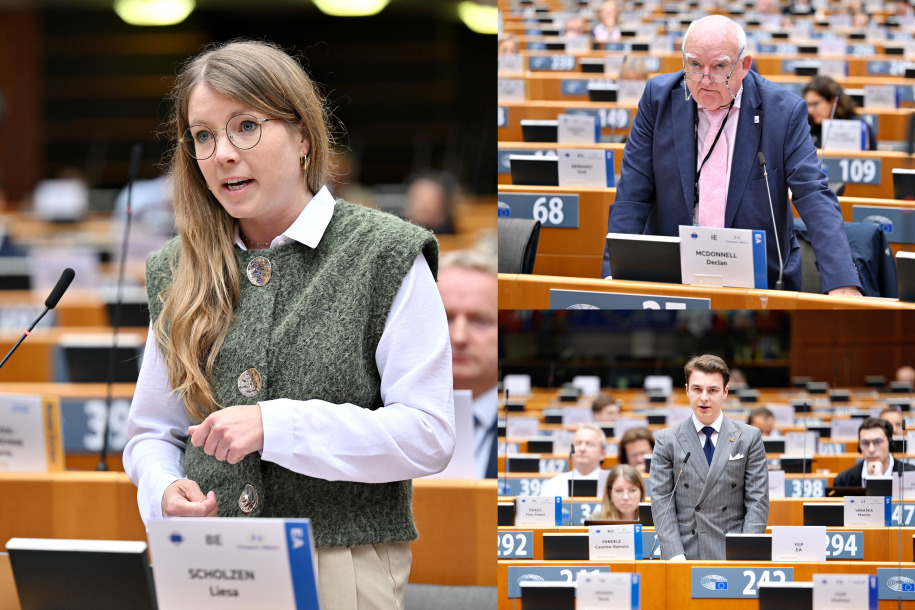
During its latest plenary session, the European Committee of the Regions welcomed Commissioner Glenn Micaleff to debate three opinions linked to his portfolio: Erasmus+, digital youth protection, and AgoraEU. The European Alliance Group played an active role through multiple interventions and amendments, shaping the future of EU youth and education policy.
Erasmus+
Liesa Scholzen, member of Parliament from Ostbelgien, urged the Commission to revise its plans for the next Erasmus+ programme. She stressed that the EU’s “greatest success story” must retain separate budget lines for youth, sport and education, warning that merging them would dilute objectives rather than simplify the programme. She also highlighted the importance of decentralised implementation, noting that Belgium’s regional agencies – serving citizens in German, Dutch and French – are key to the programme’s accessibility and success: “It is precisely due to the proximity to our citizens, who are all served in their own language, that Erasmus+ is accessible to all. We must make sure that this decentralised implementation will be upheld in the next programme. It is not part, but the key to success.”
Scholzen and the EA Group tabled amendments to preserve separate budgets and allow Member States to maintain decentralised systems. Most were adopted, which she welcomed, adding that she now counts on the European Parliament to take these concerns seriously.
Protection of young people online
Galway councillor Declan McDonnell reminded the Commissioner that while the digital world offers opportunities, it also exposes young people to cyberbullying, harmful content and grooming. He pointed to Ireland’s Online Safety and Media Regulation Act: “This Act requires online platforms to develop binding risk assessments and also established a dedicated Online Safety Commisioner. These are the best practices upon which the EU must build to better protect our youth.” He also called for stricter age-verification tools, faster moderation and tougher penalties.
Another best practice was invoked by Alec Claessens, a Young Elected Politican (YEP) from Edegem, a green town in the Antwerp suburbs. “My region, Flanders, adopted an action plan called “Safe Online”, which seeks to strengthen digital resilience, holds online platforms accountable and penalises online abuse”, he said.