
CoR Plenary unanimously adopts Karolien Grosemans’ first opinion on Skills for the Future
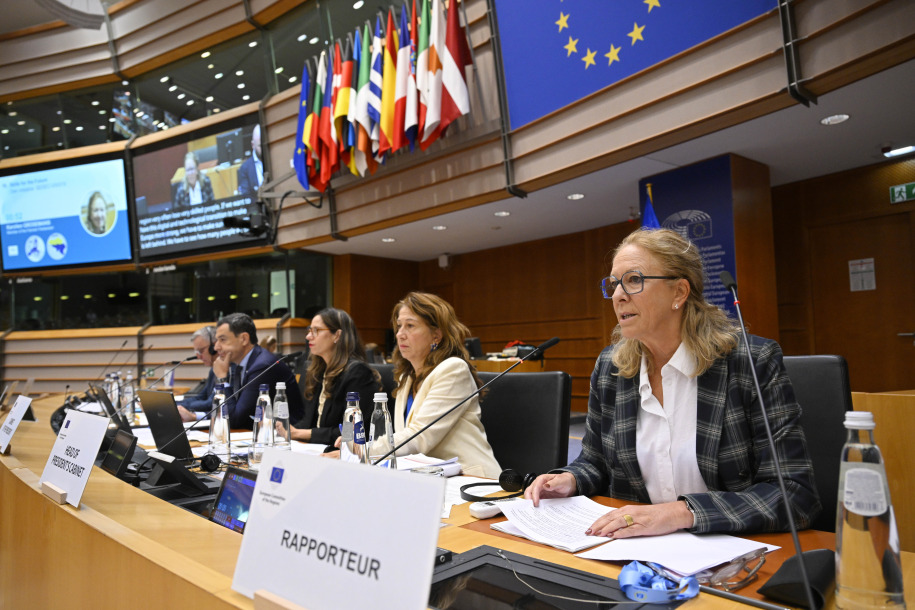
Brussels – The European Committee of the Regions (CoR) has adopted EA Group member Karolien Grosemans’ opinion on Skills for the Future during its October plenary session. Requested by the Irish Presidency of the Council of the EU, the opinion calls for a stronger focus on lifelong learning, basic skills and regional cooperation to prepare Europeans for a rapidly changing labour market. The adoption marks an important milestone for Grosemans, as it is her first opinion since joining the CoR.
Technological developments, particularly artificial intelligence (AI), are rapidly transforming Europe’s labour market. However, rather than attempting to predict which professions or specific skills will be needed in ten or fifteen years, Grosemans argues that European skills policies should focus on strengthening people’s ability to adapt to change.
“We cannot know exactly which skills people will need in fifteen years. But we can ensure that they have a strong foundation, can continue learning and are able to adapt when their jobs or circumstances change,” Grosemans stressed during the plenary debate.
Strong basic skills and lifelong learning
At the heart of the adopted opinion is the importance of strong foundational skills, including literacy, numeracy and digital knowledge. These provide the basis for developing more specialised skills and adapting to new technologies throughout life.
The opinion also calls for greater attention to AI literacy and STEM education. While Europe needs specialists in advanced technologies, Grosemans emphasised that not everyone needs to become a programmer or AI expert. Citizens should nevertheless understand the possibilities and limitations of AI, critically assess its outputs and recognise potential risks.
At the same time, she warned against reducing the debate on future skills to digitalisation alone. Skilled workers in industry, agriculture, healthcare and other sectors remain essential to Europe’s economy and society. To respond to changing labour market needs, the opinion calls for accessible and flexible lifelong learning opportunities, including opportunities for workers to retrain before technological changes put their jobs at risk.
Regions at the heart of Europe’s skills policies
A central message of Grosemans’ opinion is the need to strengthen regional skills ecosystems by bringing together schools, vocational training providers, universities, businesses, employment services, social partners and public authorities. Local and regional authorities are particularly well placed to identify emerging skills needs and connect education and training opportunities with the realities of their local economies.
During the plenary debate, Grosemans referred to Ireland’s nine Regional Skills Fora, highlighted by Irish Minister of State Marian Harkin during the earlier SEDEC discussion, as an example of cooperation between employers, education providers and public authorities.
Such cooperation is particularly important for small and medium-sized enterprises, which often lack the resources to organise specialised training independently. Grosemans also stressed that Europe’s skills policies must take regional inequalities into account. Access to higher education, specialised training, innovative businesses and digital infrastructure remains uneven across the EU. She underlined: “Training people is one thing, but we must also ensure that they can find opportunities to work and build their future in their own regions.”
The adopted opinion therefore calls for a stronger territorial dimension in European skills policies, ensuring that no region is left behind in the digital and economic transitions.
Close cooperation with the Irish Presidency
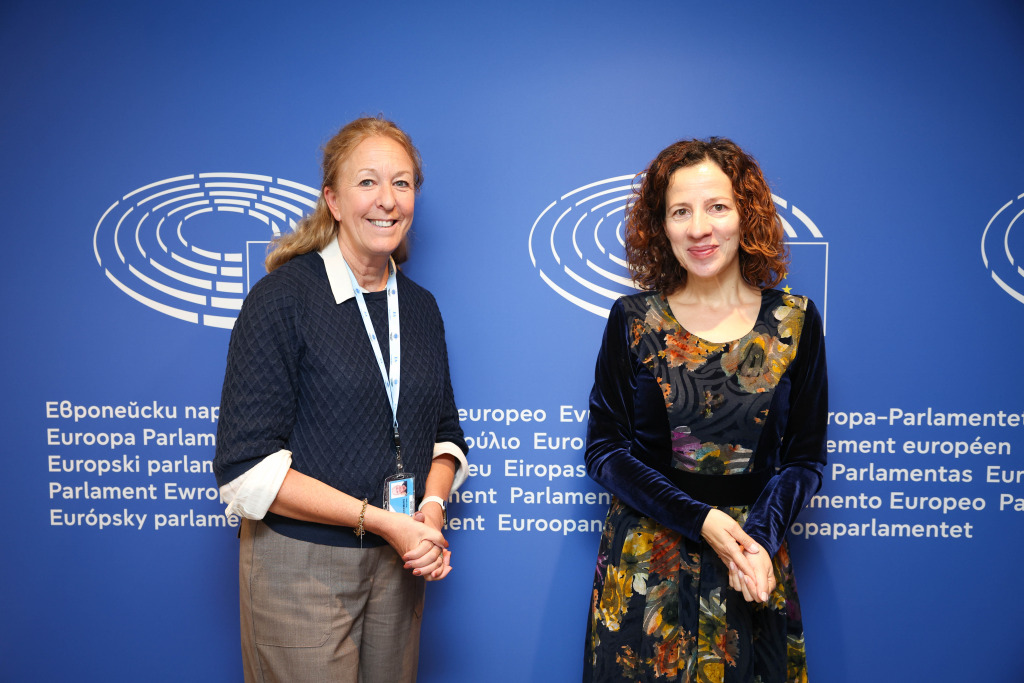
13 October 2026, 173rd Plenary Session of the European Committee of the Regions
Belgium – Brussels – October 2026
© European Union / Christophe Licoppe
The opinion was prepared in response to a referral from the Irish Presidency of the Council of the EU. Following her appointment as rapporteur-general in June, Grosemans worked closely with stakeholders, including Irish Minister of State Marian Harkin to exchange views on the Presidency’s priorities and the main recommendations of the opinion.Before the plenary debate, Grosemans also met with Roxana Minzatu, Executive Vice-President of the European Commission holding the Skills portfolio.
Concluding the debate, Grosemans reiterated the central message of her opinion: while Europe cannot predict precisely what the labour market will look like in fifteen years, it can equip people with the knowledge, skills and opportunities to navigate change: “That is, for me, the essence of skills for the future.”