
REGI-COTER: Pandele wants a strong role for regions and small towns in future EU cohesion policy
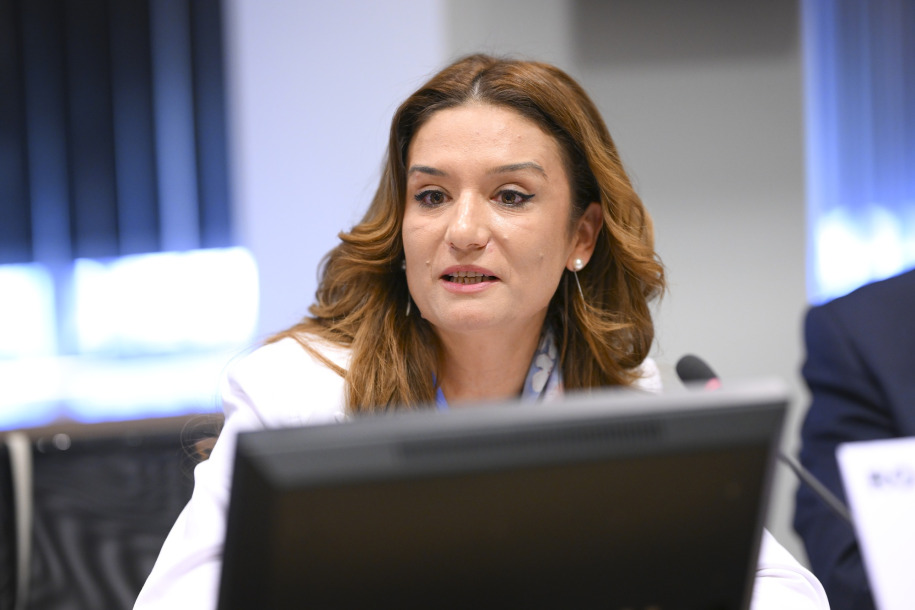
Cosmina-Ramona Pandele, Mayor of Berceni (Romania) and European Alliance Group coordinator in the COTER commission, called for clear funding guarantees for regions and municipalities in the EU’s next long-term budget.
She spoke at the annual joint meeting of the European Parliament’s Committee on Regional Development (REGI) and the CoR’s COTER commission, held on 15 October 2026 in the European Parliament under the theme Keeping Cohesion at the Heart of Europe’s Future. The debate, with European Commission Executive Vice-President Raffaele Fitto, took place as EU leaders discussed the 2028–2034 budget.
Pandele welcomed the efforts to safeguard cohesion policy funding, including the Friends of Cohesion declaration signed by Romania and 15 other Member States. She also recognised the progress made in the Irish Presidency’s latest budget proposal, which protects cohesion and agricultural funding from further cuts.
However, she warned that protecting the money is only half the challenge. Equally important is deciding who controls it and how it reaches local communities.
Under the proposed National and Regional Partnership Plans (NRPPs), funding for cohesion would be brought together with other EU spending priorities in national plans. Pandele expressed concern that, without clear guarantees, smaller local projects could lose out to larger national priorities.
To illustrate the problem, she presented a concrete example from her own municipality. Berceni has prepared almost 11 hectares of land for an industrial park, divided into smaller plots to accommodate local businesses. The land is ready, but funding is still needed.
“In a national plan, a project like this is too small to matter. For us it is vital: jobs ten minutes from home, and young people who no longer have to leave in search of a better life,” she explained.
Pandele called for two concrete guarantees in the new EU budget: the involvement of local and regional authorities in drafting the partnership plans, not just implementing them, and clear territorial funding allocations agreed in advance, ensuring that communes, small towns and less well-resourced areas can also benefit.
She concluded by linking the future of cohesion policy to the right of people to build their lives in their home communities:
“I believe in freedom of movement. But I believe just as strongly that Europe must also give people the real freedom to stay at home. That is what cohesion does, when it reaches Europe’s citizens.”