
Strong Europe Starts Locally: Why Flexibility and Regional Leadership Matter for Europe’s Future
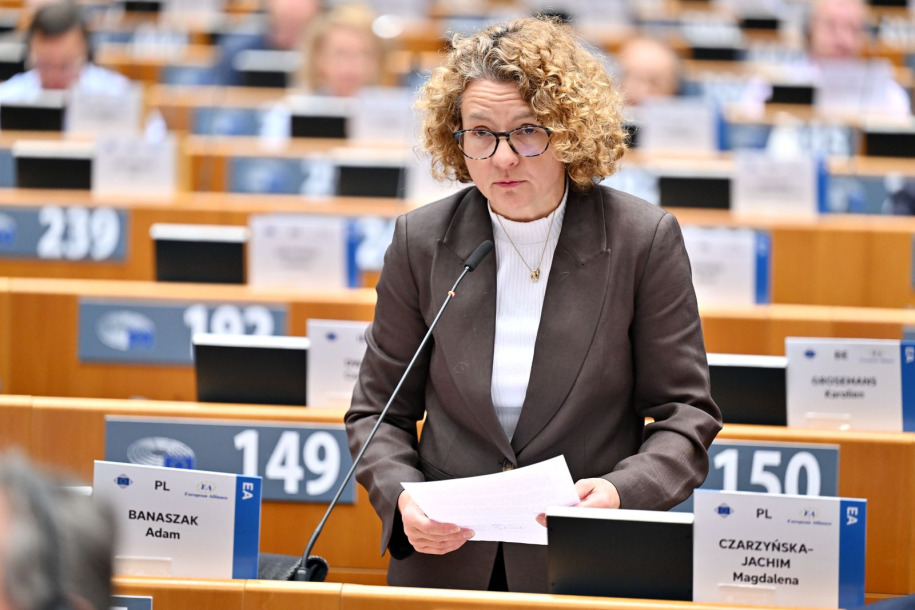
During the plenary session of the European Committee of the Regions, Magdalena Czarzyńska-Jachim, Mayor of Sopot took part in a debate with Raffaele Fitto on the future of EU cohesion policy and regional development.
In her speech, she thanked the European Commission for its openness to adapting cohesion funding to today’s rapidly changing realities. She stressed that Europe in 2026 faces very different challenges than those anticipated when the EU budget was designed in 2021.
Russia’s aggression against Ukraine, growing security concerns, pressure on infrastructure, cybersecurity, water access, and affordable housing have all placed new demands on local and regional governments. Border regions in Eastern Europe have been particularly affected economically and socially.
Magdalena Czarzyńska-Jachim highlighted that Polish regions successfully used the mid-term review of cohesion policy to redirect European funds toward key investments related to security, strategic infrastructure, dual-use industries, and housing. This was possible thanks to strong cooperation between European institutions, national authorities, and local governments.
“The success of the mid-term review proves how important flexibility, decentralisation, and the involvement of regions and cities are in managing European funds” she said.
She also underlined that local governments are closest to citizens and best understand their real needs. Effective local investment not only strengthens communities, but also builds trust in the European Union.
“There is no strong and secure Europe without strong and secure local communities” she concluded.